



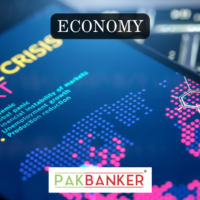
UN Warns Asia-Pacific Growth Slowing as Middle East Conflict Hits Economy
UN ESCAP report says Asia-Pacific developing economies face slowing growth to 4% in 2026 amid Middle East conflict, inflation risks, and energy pressures.

The Day After: Why Reopening Hormuz Doesn’t End the Crisis—It Begins the Aftershock Economy
The reopening of the Strait of Hormuz signals resumed flows but not recovery, as global energy markets, shipping, and financial systems enter a prolonged phase of structural disruption and recalibration.

World Bank Warns Middle East Conflict Triggers 40% Oil Price Surge and Global Supply Chain Crisis
The World Bank Group is preparing a coordinated financial support package for emerging markets as the Middle East conflict drives up energy, fertilizer, and logistics costs globally.
Global Urea Prices Surge to $750 as Middle East Tensions Disrupt Supply Chains
Escalating geopolitical conflict and gas export disruptions in the Gulf have sent international fertilizer prices soaring, highlighting the critical role of Pakistan’s domestic production.
Global Energy Shock as Gulf Nations Declare Force Majeure Amid Middle East Conflict
atar, Kuwait, and Bahrain invoke force majeure on gas exports as the Strait of Hormuz closure disrupts 20 percent of global LNG supply and sends prices soaring.

From Hormuz to the Household: The Long Supply Chain of War
Rising tensions around the Strait of Hormuz are sending ripples through global energy routes, quietly influencing Pakistan’s fuel imports, food supply chains, telecom infrastructure and medicine availability through complex international logistics networks.
ADB Projects Slower Rate Cuts and Downgrades Growth Forecasts for Developing Asia Amid Trade and Geopolitical Uncertainty
The Asian Development Bank sees a slower pace of monetary easing in developing Asia, revises regional growth outlook downward due to trade tensions, export declines, and ongoing geopolitical uncertainties.
HBL Manufacturing PMI Drops to 8-Month Low in May Amid Geopolitical Disruptions and Supply Chain Pressures
Pakistan’s manufacturing sector saw a slowdown in May as HBL’s Manufacturing PMI dropped to 51.1, its lowest in eight months, due to geopolitical tensions and supply chain disruptions, despite growing optimism for future output.